




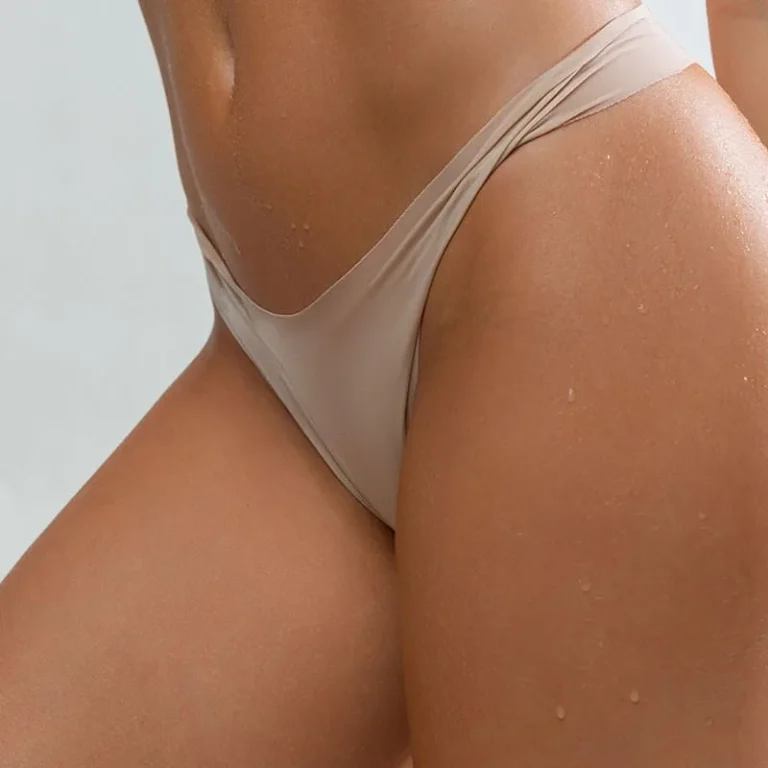


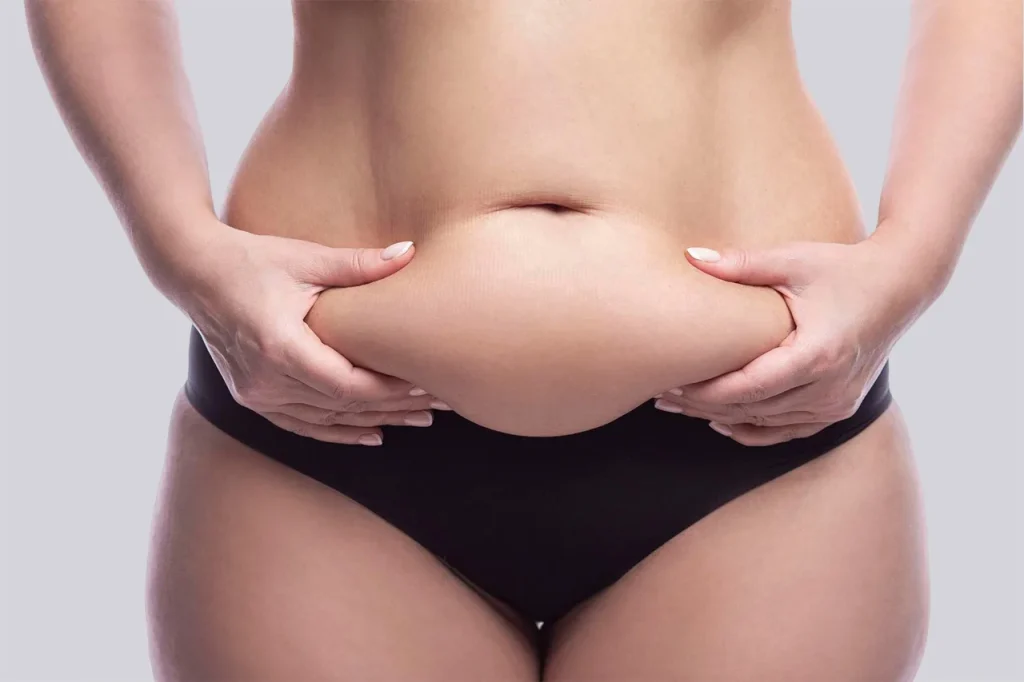
People make many sacrifices for a flat, firm stomach. After a pregnancy or substantial weight loss, however, the abdominal skin and connective tissue are often heavily stretched and correspondingly loose. Exercise and strict diets alone cannot get rid of this stubborn excess skin, which weighs on many people and eventually leads them to my practice with the wish for a tummy tuck.
In the personal consultation, the question often comes up whether a large or full tummy tuck or a mini tummy tuck is the better solution in the individual case. In principle, both procedures aim to remove the stretched, excess abdominal skin, tighten the abdomen and thus help patients feel better in their bodies again. Which method is the best choice, however, depends on the findings and the result you want.
In this article, I go into the differences between the two tummy tucks in more detail, explain which procedure is the better choice and when, and address a few other questions that patients frequently ask.
What is a tummy tuck?
The tummy tuck (abdominoplasty) is a common procedure in aesthetic surgery to tighten the abdominal wall. A larger or smaller amount of excess skin and sometimes fatty tissue is surgically removed and, if needed, the straight abdominal muscles are tightened. Depending on where exactly the tightening begins and how extensive the procedure is, various methods of abdominal tightening are available.
Classic (full) tummy tuck (abdominoplasty)
In the classic (full) tummy tuck, I usually include the entire abdominal area in the procedure, since a larger amount of skin and/or fatty tissue generally has to be removed here. For some patients, an abdominal muscle tightening is additionally necessary. This is always the case when the straight abdominal muscles have separated due to pregnancy or severe overweight (so-called diastasis recti).
For the classic tummy tuck, I make a transverse incision low in the bikini zone from one hip bone to the other. I then carefully separate the skin and fat layer of the abdomen from the abdominal muscles beneath. If the navel is also to be moved during the procedure, a circular incision around the navel area is added.
If a muscle tightening is necessary, I sew the separated abdominal muscles together along the midline with a non-dissolving suture. I then pull the skin taut downward, remove the excess skin and fat and reposition the navel for an aesthetically pleasing and harmonious overall look. Finally, everything is carefully sutured.
A full tummy tuck generally takes 1.5 to 4 hours and is performed under general anesthesia.
Mini tummy tuck (mini abdominoplasty)
The alternative to the classic tummy tuck is the less extensive mini abdominoplasty. It is limited to the area below the navel. In this variant, also called the “mini tummy tuck,” I remove smaller amounts of excess skin and fat in the lower abdomen but leave the navel in its natural position.
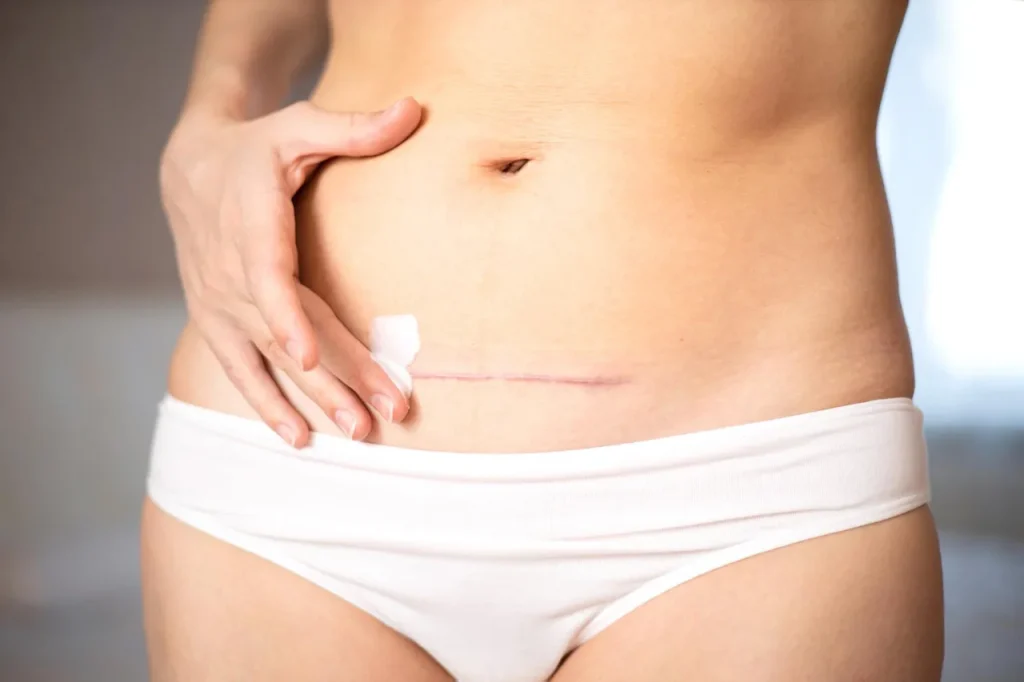
For this reason, only a short incision below the navel is usually required, which I place just above the pubic hairline, similar to a cesarean section. The rest of the procedure resembles that of a classic tummy tuck: I carefully separate the skin and fat deposits from the abdominal muscles, tighten them downward and remove the excess in the lower abdomen in order to achieve a flatter, firmer lower abdomen.
The smaller effort is also reflected in the duration of the surgery. In contrast to the classic variant, the mini tummy tuck usually takes only 1 to 2 hours, but like the large abdominoplasty it is performed under general anesthesia.
Tummy tuck vs. mini tummy tuck: a direct comparison
The following table shows the differences between the two variants at a glance:
| Classic tummy tuck | Mini tummy tuck | |
|---|---|---|
| Surgical technique | Tightening of skin, subcutaneous fatty tissue and, if needed, muscles across the entire abdominal area | Tightening of skin and fatty tissue on the lower abdomen |
| Incision | long incision in the lower abdomen, if needed also around the navel | shorter incision in the lower abdominal area |
| Anesthesia | General anesthesia | Twilight sedation or general anesthesia |
| Surgery duration | approx. 1.5 to 4 hours | approx. 1 to 2 hours |
| Recovery time | approx. 3 to 6 weeks | approx. 2 to 4 weeks |
| Sports | after approx. 6 to 8 weeks | after approx. 4 to 6 weeks |
Which method is suitable for whom?
I recommend the classic form of the tummy tuck to patients who suffer from a larger amount of excess skin across the entire abdomen after one or more pregnancies or substantial weight loss. In particular, if both your lower and upper abdomen are affected and you want a clear change in your body shape, a full tummy tuck is the procedure of choice.
The same applies to people who additionally suffer from separation (diastasis recti) or weakening of the abdominal muscles. The latter is not only an aesthetic problem but can also lead to functional limitations and complaints such as posture problems or back pain.
The mini tummy tuck, by contrast, is suitable for patients with slight to moderate excess skin below the navel. This often affects people whose skin and tissue in the lower abdomen have become loose after a pregnancy. But the mini tummy tuck can also be a good option for people who want a visual change limited to the lower abdominal area.
Full or mini tummy tuck: your benefits of treatment by a specialist
Are you seriously thinking about a tummy tuck? With my many years of experience as a specialist in plastic and aesthetic surgery, I am happy to be available for a non-binding consultation. I offer you:
- my expertise in body contouring surgery, especially in tightening surgery of the abdomen after weight loss or the birth of a child.
- aesthetic sensitivity for natural-looking results that fit your proportions harmoniously and do not look operated on.
- individual and personal advice at my practice with a thorough examination, an honest assessment and the creation of an individual treatment plan.
- comprehensive care before and close aftercare following your procedure until your full recovery, provided by me personally.
The best way is to call me directly or use the contact form on my website to schedule an appointment.

Dr. Nichlos on Instagram & TikTok
Insights into everyday life at the practice, answers to frequently asked questions and useful information about plastic and aesthetic surgery: follow Dr. Nichlos so you do not miss anything.